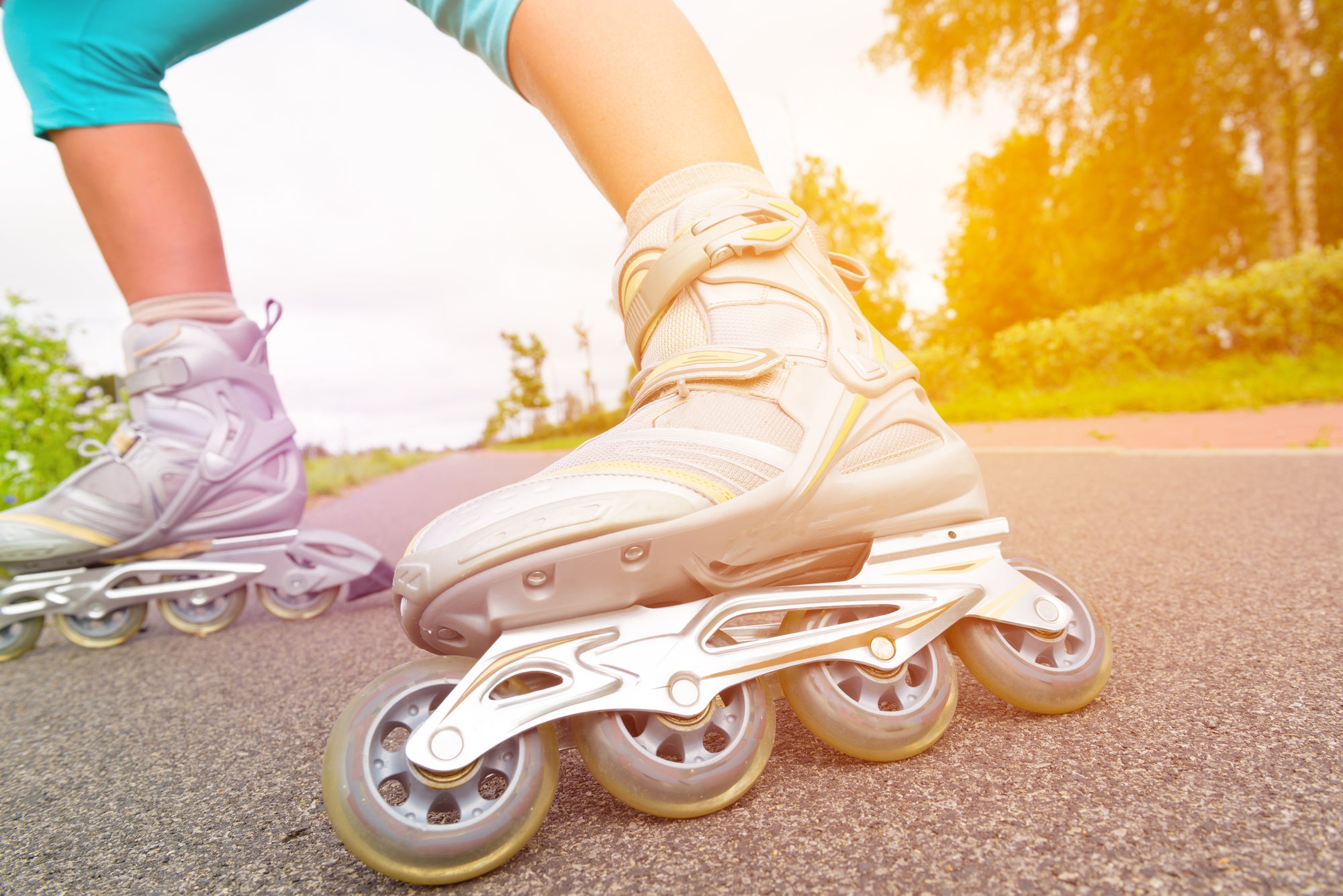



























If you're looking for a fun way to lose weight without spending hours on a treadmill, roller skating might be exactly what you need.
Unlike traditional workouts that can feel repetitive, roller skating combines exercise, adventure, and skill-building into one enjoyable activity. Whether you're gliding through a local park, skating with friends, or practicing new moves at a rink, you're also burning calories and improving your overall fitness.
But can roller skating actually help you lose weight?
The short answer is yes.
In this guide, we'll explore how many calories roller skating burns, the fitness benefits it offers, and what kind of results beginners can realistically expect.
Is Roller Skating Good for Weight Loss?
Absolutely.
Weight loss occurs when your body burns more calories than it consumes. Roller skating is a cardiovascular exercise that increases your heart rate, engages multiple muscle groups, and burns a significant number of calories.
What makes roller skating unique is that it rarely feels like exercise. Instead of focusing on completing a workout, you're focused on having fun, improving your balance, and enjoying the experience.
This makes it easier to stay consistent, which is one of the most important factors in any successful weight loss journey.
How Many Calories Does Roller Skating Burn?
The number of calories burned depends on several factors, including:
- Body weight
- Skating intensity
- Duration
- Fitness level
- Terrain
On average, a person can burn:
|
Activity Duration |
Estimated Calories Burned |
|
30 Minutes |
200–400 Calories |
|
60 Minutes |
400–800 Calories |
|
90 Minutes |
600–1,200 Calories |
The harder and faster you skate, the more calories you'll burn.
For comparison:
|
Activity |
Calories Burned Per Hour |
|
Walking |
200–350 |
|
Roller Skating |
400–800 |
|
Cycling |
400–700 |
|
Jogging |
500–900 |
This makes roller skating one of the most effective and enjoyable forms of cardio exercise available.
Why Roller Skating Is Effective for Fat Loss
Many people assume weight loss is only about running or gym workouts. However, roller skating provides several advantages that support long-term fat loss.
It Elevates Your Heart Rate
Roller skating is an aerobic exercise that challenges your cardiovascular system.
As your heart rate increases, your body requires more energy, leading to increased calorie expenditure.
Regular skating sessions can improve cardiovascular fitness while supporting healthy weight management.
It Engages Multiple Muscle Groups
Unlike some forms of exercise that focus on a single area, roller skating works your entire body.
Major muscle groups involved include:
- Quadriceps
- Hamstrings
- Glutes
- Calves
- Core muscles
- Lower back
- Hip stabilisers
The more muscles involved, the more energy your body uses during exercise.
It's Easier to Stay Consistent
One of the biggest reasons fitness plans fail is boredom.
Many people struggle to maintain motivation when workouts feel repetitive or overly demanding.
Roller skating feels more like recreation than exercise, making it easier to stay active regularly and build healthy habits.
What Muscles Does Roller Skating Work?
Roller skating delivers a surprisingly comprehensive workout.
Legs
Every stride requires your legs to push, stabilise, and control movement.
This helps strengthen:
- Thighs
- Calves
- Hamstrings
- Hip muscles
Glutes
Your glute muscles are heavily involved in generating power while skating.
Regular skating can help improve lower-body strength and muscle tone.
Core
Maintaining balance requires constant engagement of your abdominal and lower back muscles.
This helps improve:
- Stability
- Posture
- Coordination
Cardiovascular System
Roller skating improves endurance and heart health while increasing overall fitness levels.
Can Roller Skating Help You Lose Belly Fat?
This is one of the most frequently asked questions.
The reality is that no exercise can specifically target belly fat.
Your body decides where fat is lost based on genetics, hormones, and overall body composition.
However, roller skating can contribute to overall fat loss, which may eventually reduce fat around the abdomen.
Combined with a healthy diet and consistent exercise routine, roller skating can be an effective tool for achieving a leaner physique.
Roller Skating vs Running for Weight Loss
Both activities are effective for burning calories, but they offer different experiences.
Running
Pros:
- High calorie burn
- Easy to start
- Minimal equipment
Cons:
- Higher impact on joints
- Can feel repetitive
- Increased injury risk for some people
Roller Skating
Pros:
- Lower impact on joints
- Fun and engaging
- Full-body workout
- Easier to sustain long-term
Cons:
- Requires learning basic skills
- Needs suitable skating surfaces
For many people, roller skating becomes a more enjoyable and sustainable fitness activity than running.
How Often Should You Roller Skate to Lose Weight?
Consistency matters more than intensity.
For beginners, a realistic goal is:
Beginner Plan
Week 1–2:
- 20–30 minutes
- 3 sessions per week
Week 3–4:
- 30–45 minutes
- 3–4 sessions per week
After Month 1:
- 45–60 minutes
- 4–5 sessions per week
As your skills and fitness improve, you'll naturally skate longer distances and burn more calories.
Realistic Weight Loss Results
The exact results vary from person to person.
However, individuals who combine regular roller skating with healthy eating habits often experience:
- Improved fitness
- Increased energy levels
- Better endurance
- Reduced body fat
- Stronger lower-body muscles
- Enhanced balance and coordination
Many beginners notice improvements in fitness and stamina within the first few weeks of consistent skating.
Tips to Maximise Weight Loss While Roller Skating
Skate Regularly
Aim for consistency rather than occasional intense sessions.
Challenge Yourself
Gradually increase your speed, duration, and distance.
Mix Up Your Sessions
Combine:
- Leisure skating
- Interval skating
- Skill practice
- Longer outdoor rides
This keeps workouts engaging and prevents plateaus.
Stay Hydrated
Proper hydration supports performance and recovery.
Focus on Nutrition
Exercise alone cannot overcome poor eating habits.
Combining skating with balanced nutrition will produce the best long-term results.
Safety Tips for Beginner Skaters
Before starting your skating journey, make sure you have the proper equipment.
Essential protective gear includes:
- Helmet
- Knee pads
- Elbow pads
- Wrist guards
Safety equipment not only reduces injury risk but also boosts confidence while learning.
Beginners should practice in smooth, open areas away from traffic until they develop stronger balance and stopping skills.
Final Thoughts
Roller skating is much more than a fun hobby—it's a highly effective form of exercise that can support weight loss, improve cardiovascular health, and strengthen muscles throughout the body.
Because it feels less like a workout and more like an adventure, many people find it easier to stick with compared to traditional fitness routines.
If you're searching for a low-impact, enjoyable way to burn calories and stay active, roller skating could be one of the best decisions you make for your health and fitness.
The key is simple: put on your skates, stay consistent, and enjoy the ride.
Every lap, every glide, and every practice session brings you one step closer to your fitness goals.